We provide a variety of services to keep your residential or commercial property looking its best. From window cleaning to pressure washing, we have you covered.
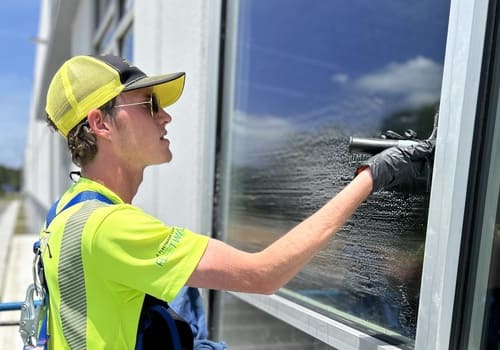
Route, Retail, Commercial — we handle any window. Spot-free, debris-free results that keep your storefront looking tip top.
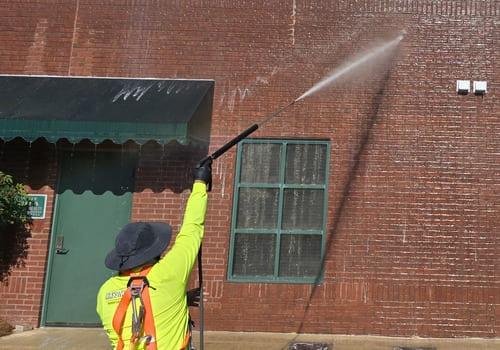
Buildings, Warehouses, Parking Lots, Parking Garages, Entrances, Canopies, Warehouses, Roofs, Compactor Pads, Dumpster Corrals, Graffiti Removal, Gutters. You name it - we can clean it.
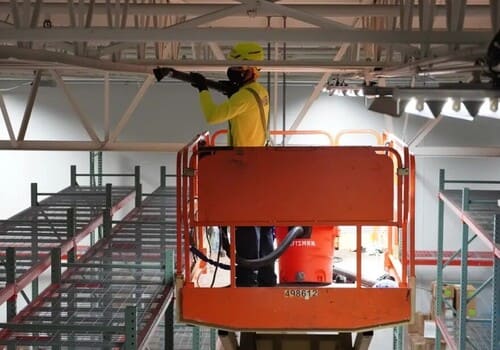
Cleaning above sensitive merchandise or equipment is difficult. High-dusting hard-to-reach spots are important to maintain a high level of cleanliness in your business and improve its air quality.
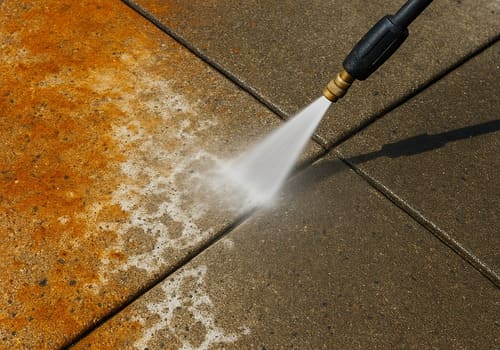
Well-water irrigation systems are rich with minerals but also produce unfavorable rust stains on sidewalks, driveways and houses. Let us get rid of the rust!
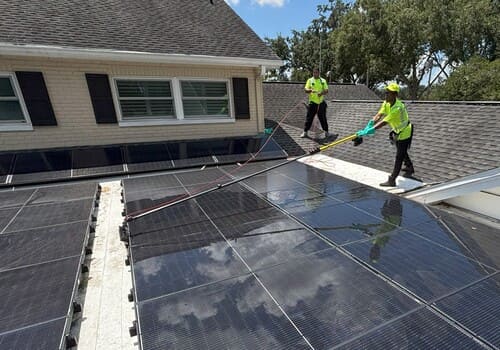
Our team is here to help you keep up with regular maintenance and ensure your panels are always running at maximum capacity. Our services include power clean, soft scrub, clean rinse, and a squeegee dry.
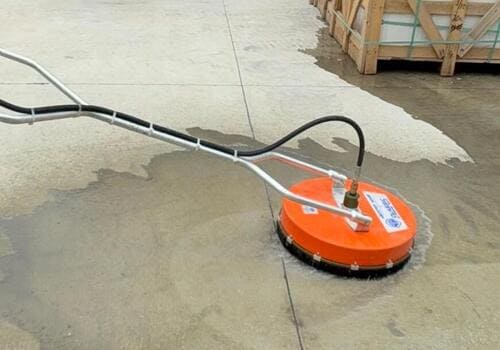
Dirt and dust = post construction. We can clean the inside and outside of any post-construction property. We can remove all adhesive, paint and overspray from windows, high dust all the corners and safely rinse the outside of the building to remove all dust and dirt from construction.
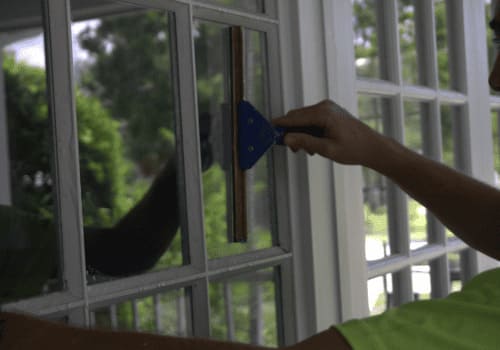
No cutting corners here. We use eco-friendly cleaning solutions and deionized water to deliver a trusted spot free technique to remove dirt, grime, and water spots from your windows.
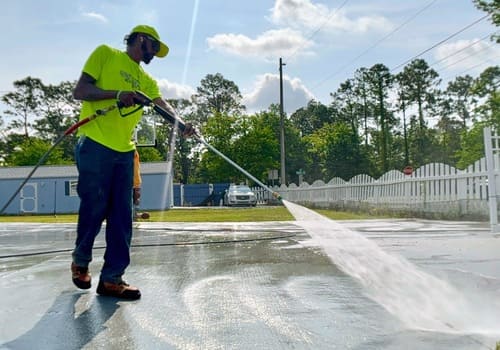
Driveways, Sidewalks, Curbs, Fence, Porch, Deck, Patio, Pool Deck, Screen Enclosures, Outdoor Furniture, Front Entrances, Steps, Boat Docks, Lifts and MORE!
Safely remove dirt, grime, and stains from your exterior surfaces, giving them a refreshed appearance.
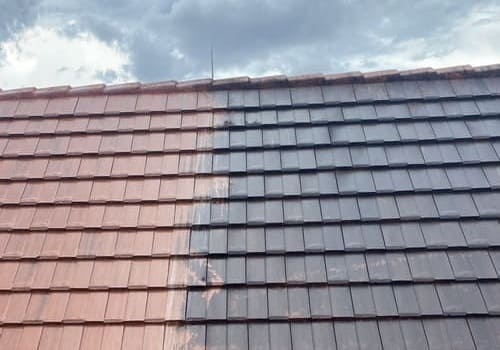
Black algae and mold feed on asphalt shingles. Ask us about our soft washing process which uses gentle pressure to kill organic material while keeping your home exterior from being damaged.
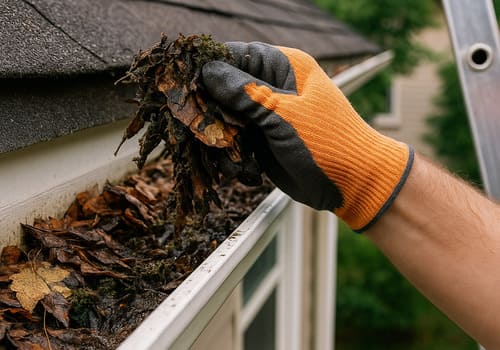
Clean your gutters to reduce clogging, prevent overflows and extend the lifespan of your roof. We remove debris and ensure proper drainage.
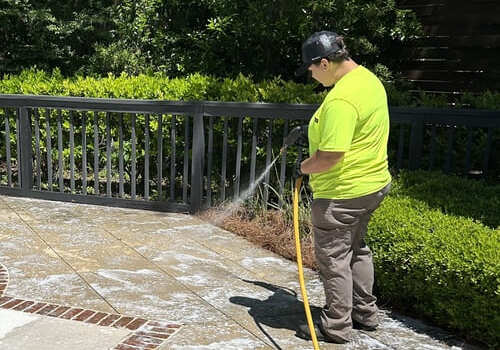
We can revitalize your pavers and deck by removing stains, dirt, and mildew, restoring their original beauty.
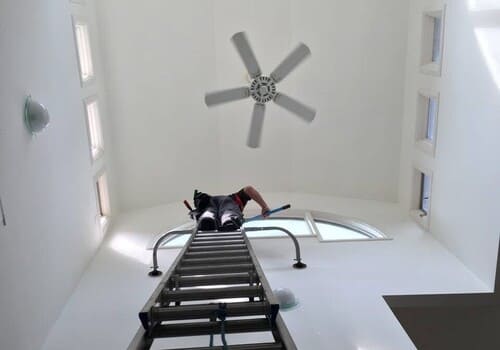
Dust is more than a nuisance. It can cause problems with allergies, breathing, skin irritation and headaches. High-dusting hard-to-reach spots are important to maintain a high level of cleanliness in your home.
Well-water irrigation systems are rich with minerals but also produce unfavorable rust stains on sidewalks, driveways and houses. Let us get rid of the rust!
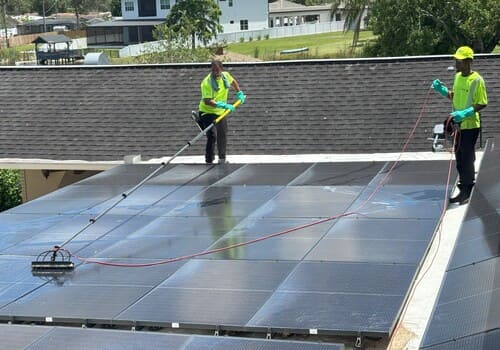
Our team is here to help you keep up with regular maintenance and ensure your panels are always running at maximum capacity. Our services include power clean, soft scrub, clean rinse, and a squeegee dry.